

Creating relevant content is crucial, but your site doesn’t gain authority just by itself. Your business is also found by search engines and potential consumers through links, reviews, media coverage, directories, professional associations, and online chatter.
That wider reputation is the topic of an off-page SEO strategy. The key to acquiring attention is not the number of backlinks you can acquire, but rather the quality. Let’s find out What Is Off-Page SEO.
Understanding Off-Page SEO
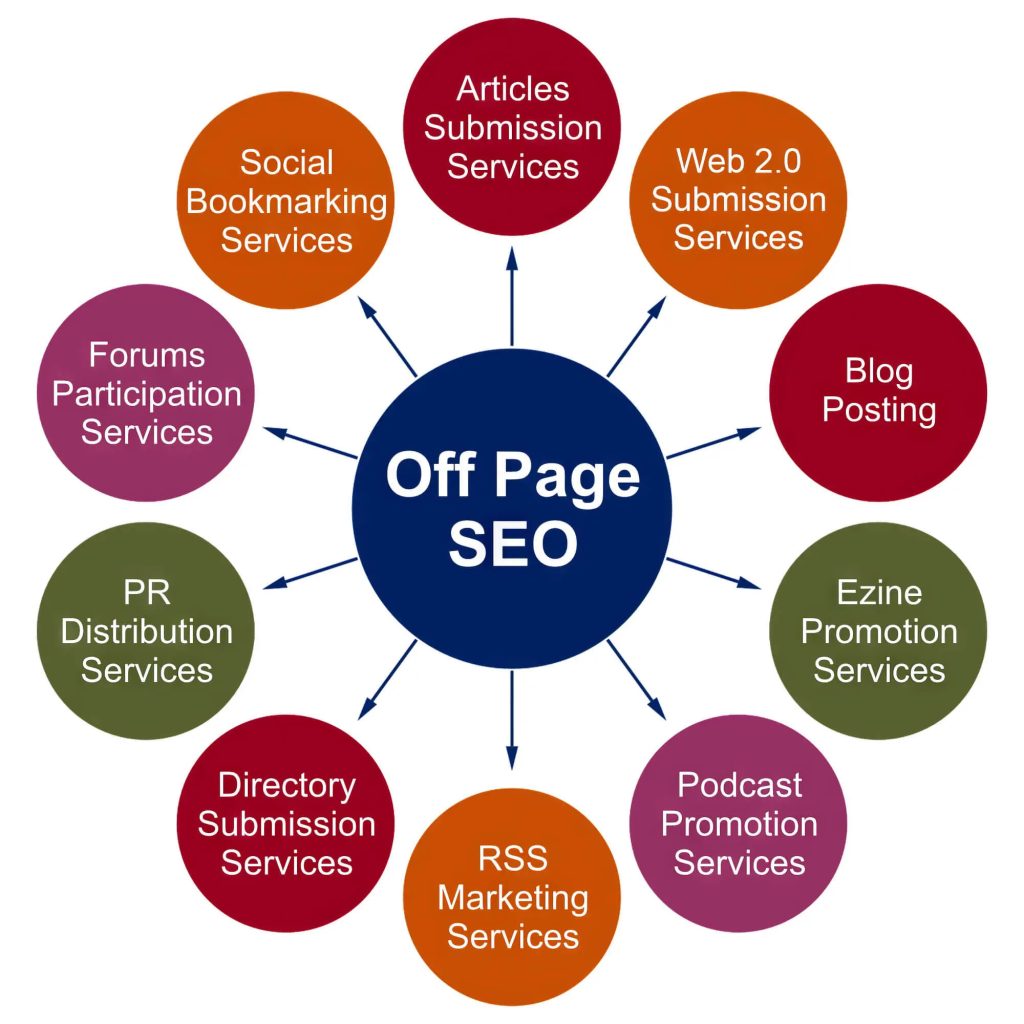
Off-page SEO refers to anything done off the website that can increase your site’s visibility, reputation, referral traffic, or the website’s sense of authority.
Backlinks are undoubtedly the most popular form of link-building. Links are Google’s way of finding pages and are a factor in determining page relevance. Digital PR, local citations, customer reviews, expert contributions, partnerships, and other legitimate methods by which media and people can find or recommend a business are also a part of off-page SEO.
It differs from:
- On-page SEO:
Content, titles, headings, internal links, and page optimization - Technical SEO:
Crawling, indexing, mobile usability, site structure, and performance - Off-page SEO:
External links, mentions, reviews, publicity, and reputation signals
All of these regions are interconnected with each other. When the page being promoted is thin, stale, or unhelpful, it isn’t going to yield long-term, sustainable benefits from external promotion. Google’s systems are all bent toward providing you with reliable, people-serving content and less of the type that’s viable solely to manipulate rankings.
Which Off-Page SEO Techniques Work?
Earn Relevant Backlinks
A good backlink typically comes from a reputable, relevant site with good intentions to link to your site.
Businesses can gain these links by creating:
- Original research or useful industry data
- Detailed guides and practical tools
- Expert commentary for journalists
- Resources that professional organizations can reference
- Local partnerships and community initiatives
One editorial link can be worth more than a dozen directory listings that have nothing to do with the editor. The goal is not manufacturing links; it is to publish or contribute something worthy of being cited.
Use Digital PR Strategically
Digital PR can result in media coverage, referral traffic, brand searches, and editorial links. Ways to be useful are to share something you’ve found, to provide expert commentary that is qualified, or to produce something that is genuinely newsworthy.
Just a press release is not enough for SEO. The benefit is when the publications tell the story or mention the supporting resource.
Manage Reviews and Local Citations
Local businesses can benefit from exact profiles and authentic local reviews as real-life components of off-page optimization. Google reports that links, the number of reviews, and good ratings are some of the factors that can impact the prominence of the local.
Ensure that relevant platforms present the correct information about a business, including the name, address, telephone number, opening hours, and terms and conditions. Request and accept honest reviews, but don’t try to buy positive reviews; Google says it discourages incentivized or fake review activity.
Off-Page SEO Mistakes to Avoid
Avoid tactics such as:
- Buying links that pass ranking credit
- Large-scale reciprocal link exchanges
- Paying for keyword-rich guest posts
- Using automated directory or forum links
- Sending free products in exchange for followed links
- Creating fake reviews or business profiles
Google considers links built almost exclusively to boost rankings as link spam. At least paid placements need to be marked as rel=”sponsored” or only nofollow the link where it makes sense.
A Practical Off-Page SEO Checklist
Start with four questions:
- Is the website useful enough to deserve recommendations?
- Which publications, organizations, or communities reach the right audience?
- What expertise, data, or resource can the business contribute?
- Are new links, reviews, referral visits, and qualified leads being measured?
Don’t consider backlink value as the only measure of success. These metrics give a more realistic view: relevance, credibility, referral traffic, branded searches, and business results.
Final Thoughts
What is off-page SEO? It is the way to enhance your website’s brand and exposure via reputable off-site behavior.
The best strategy is to obtain attention by providing valuable information, demonstrating substance, sharing pertinent business data, creating engaging customer experiences, and cultivating credible connections. Develop links that actually would benefit the business, regardless of your search ranking; that really is the start of long-term off-page SEO.
Get professional Digital Marketing USA services to help businesses increase visibility, leads, and sales!